

In this article
Front-Row Access to Nature's Greatest Spectacle
Every year, nature stages one of its most breathtaking spectacles across East Africa—the Great Migration. Over 1.5 million wildebeests, accompanied by hundreds of thousands of zebras and gazelles, move across vast plains in search of greener pastures. The most dramatic and sought-after phase of this journey takes place in Kenya’s iconic Maasai Mara National Reserve.
This natural wonder is not just about movement—it is about survival, instinct, and raw wilderness. From river crossings fraught with danger to predator-prey encounters on open savannahs, the Maasai Mara becomes the ultimate stage of wildlife drama. But the question every traveller asks is: when is the best time to visit Maasai Mara for the Great Migration?
What is the Great Migration?

The Great Migration is a continuous circular movement of wildlife between Kenya and Tanzania in search of food and water. It connects two of Africa’s most famous ecosystems: the Maasai Mara and the Serengeti National Park.
This migration is driven by rainfall patterns and fresh grazing land. The animals do not follow a fixed route, but their movement generally follows a predictable annual cycle. It is considered one of the Seven Natural Wonders of Africa and one of the most spectacular wildlife events in the world.
When Does the Great Migration Happen?

The migration occurs throughout the year, but different phases happen in different seasons:
January – March (Calving Season – Serengeti)
During this period the herds are in the southern Serengeti. Thousands of calves are born each day, attracting predators such as lions and hyenas.
April – June (North‑west Movement)
As the dry season approaches, the herds begin moving north‑west towards the Maasai Mara in search of fresh pasture.
July – October (Peak Season – Maasai Mara)
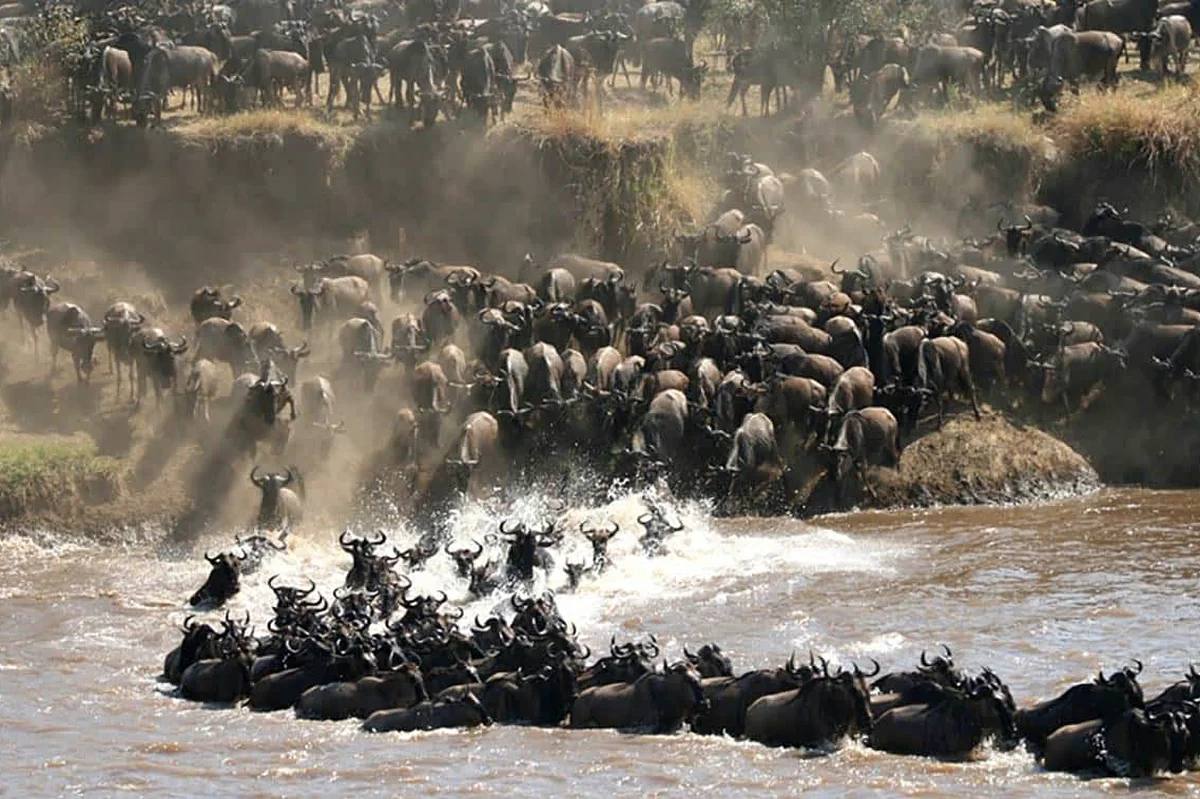
This is the most dramatic and famous stage of the migration. Vast herds cross the Mara River, facing strong currents and crocodile attacks. It is the peak season for wildlife viewing in the Maasai Mara.
November – December (Return Migration)
Once the rains begin in Tanzania, the herds slowly move back south towards the Serengeti.
Best Time to Visit Maasai Mara
The absolute best time to visit Maasai Mara National Reserve is between July and October.
During these months, the migration is at its peak. This is when:
- Massive herds of wildebeest and zebras fill the plains
- The famous Mara River crossings take place
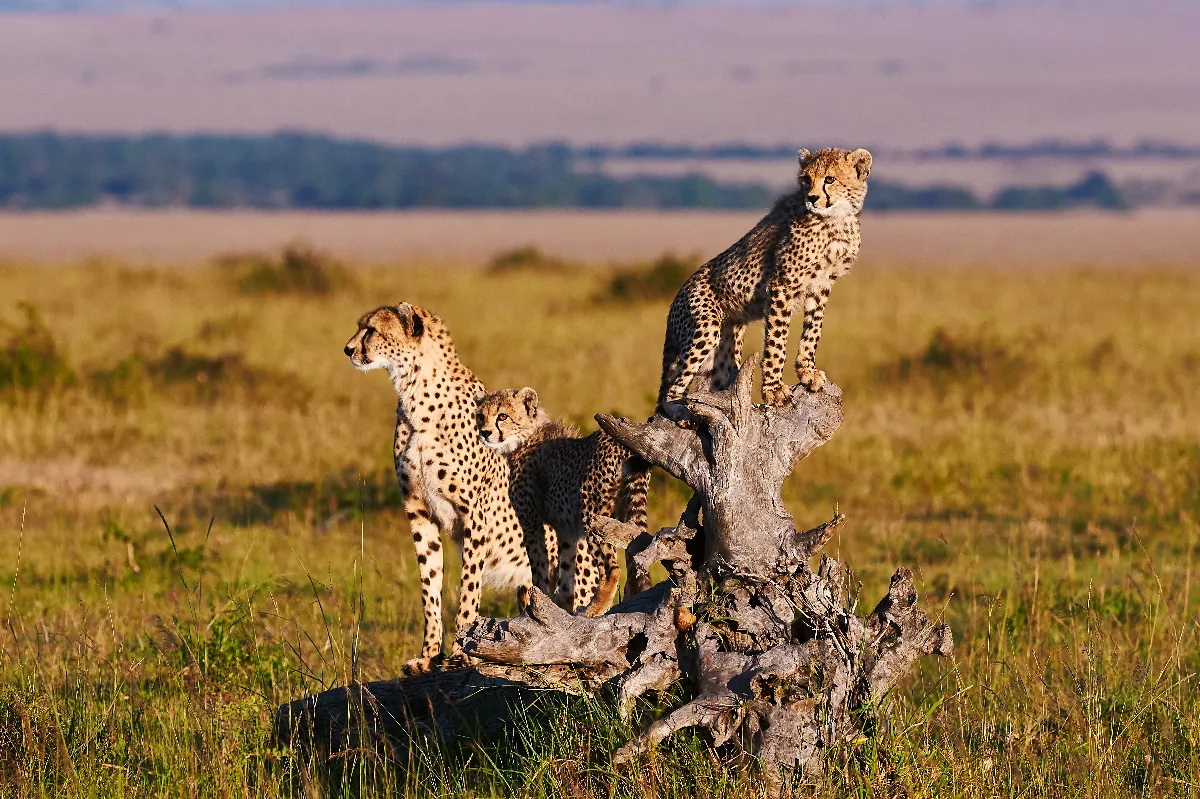
- Predators such as lions, cheetahs, and crocodiles are highly active
- Wildlife viewing is at its most intense and dramatic
If your goal is to witness the iconic river crossings, August and September offer the highest chances. However, exact timing varies each year depending on rainfall and animal movement.
What to Expect During the Migration Season

Visiting the Maasai Mara during migration season is an unforgettable experience.
You can expect:
- Thousands of animals stretching across the golden savanna
- High-action river crossings where wildebeest brave crocodile-infested waters
- Constant predator activity as lions and cheetahs hunt on the open plains
- Dramatic survival scenes that shift day to day
The atmosphere is electric, with safari vehicles from around the world gathering to witness nature's greatest show.
What to Do in Maasai Mara During Migration Season


While the migration is the main attraction, there are many other incredible experiences:
- Game drives: Head out into the reserve early morning or late afternoon for prime wildlife sightings
- Hot air balloon safari: Float over the plains at sunrise for breathtaking panoramic views of wildlife
- Cultural visits: Meet the Maasai people and learn about their traditions and way of life
- Photography safaris: Capture dramatic wildlife moments in one of the world’s leading photography destinations
Continue exploring
Maasai Mara National Reserve
Maasai Mara National Reserve
Travel Tips for Visiting Maasai Mara
To make the most of your trip, keep these tips in mind:
- Book accommodation early, especially for July–October
- Choose lodges or camps close to river crossing points for better views
- Carry neutral-colored clothing for safaris
- Pack binoculars and a good camera for wildlife viewing
- Be patient—wildlife sightings depend on nature, not schedules
Where to Stay in Maasai Mara
The Maasai Mara offers a wide range of accommodation options:
- Luxury lodges: Offer premium comfort, guided safaris, and prime locations
- Mid-range camps: Balanced comfort and affordability with good access to wildlife areas
- Budget camps: Basic but immersive safari experience close to nature
Where you stay can significantly affect your migration experience, especially if you want to be near river crossing zones.
Final Roar
The Great Migration in Kenya’s Maasai Mara National Reserve is one of the most extraordinary wildlife experiences on Earth. Although the migration runs throughout the year, the prime time to see its most dramatic moments is between July and October.
Whether it’s your first safari or a repeat trip, witnessing thousands of gnus crossing the Mara River is an experience you’ll never forget. Book early, choose wisely, and prepare to experience nature in its rawest and most powerful form.
Explore more